Product
Flexible Heating Jackets and Pads
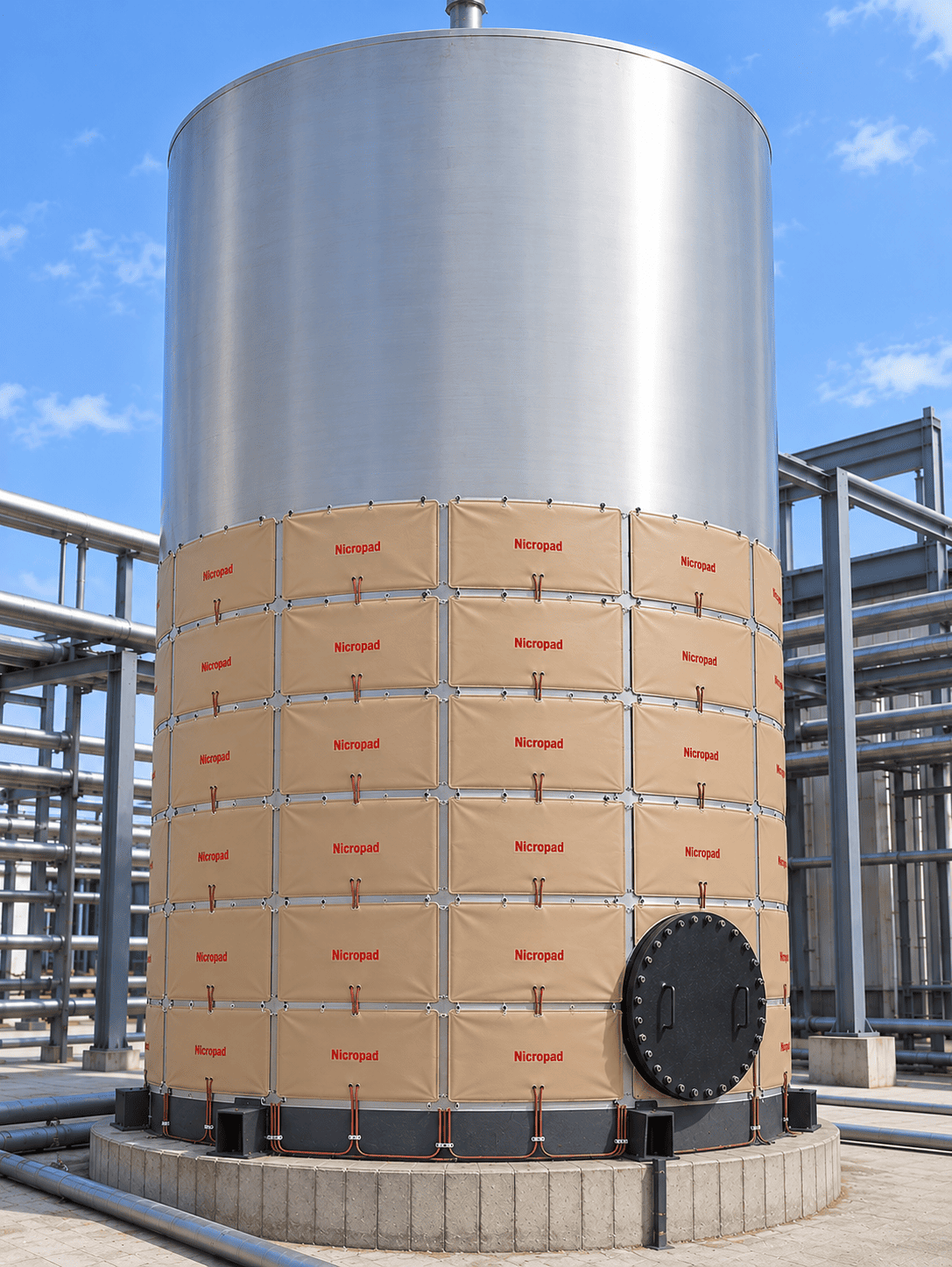
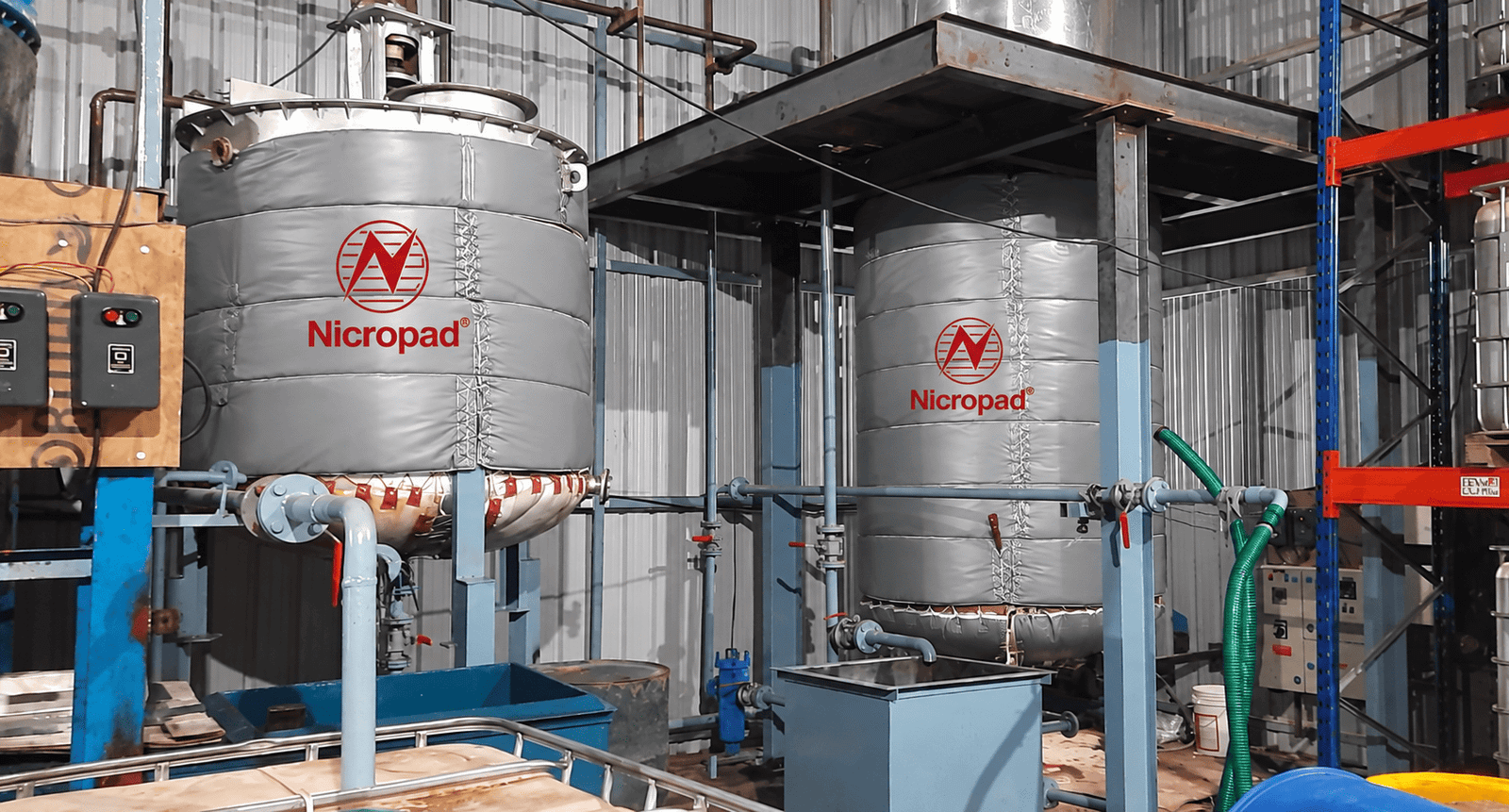
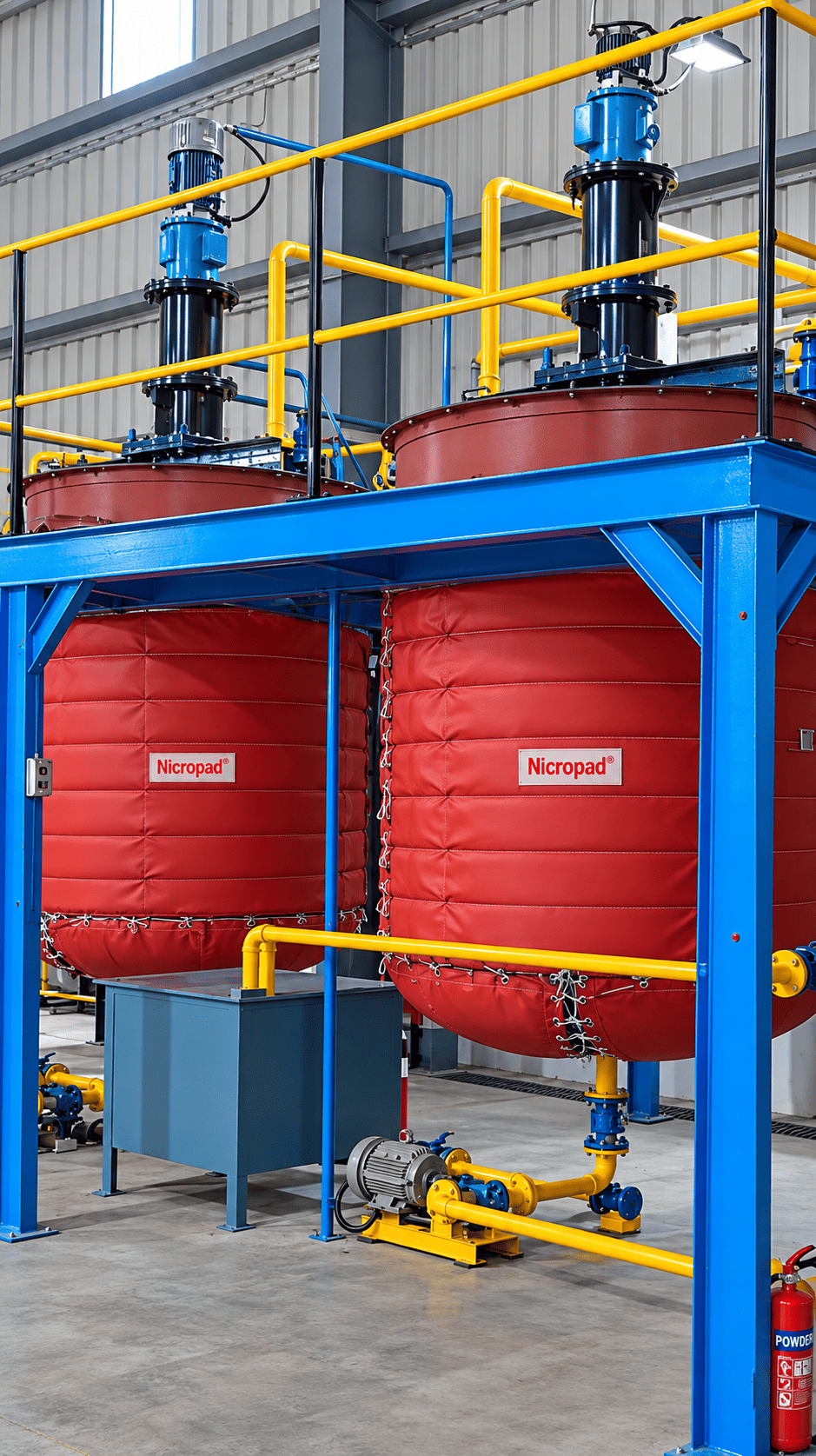
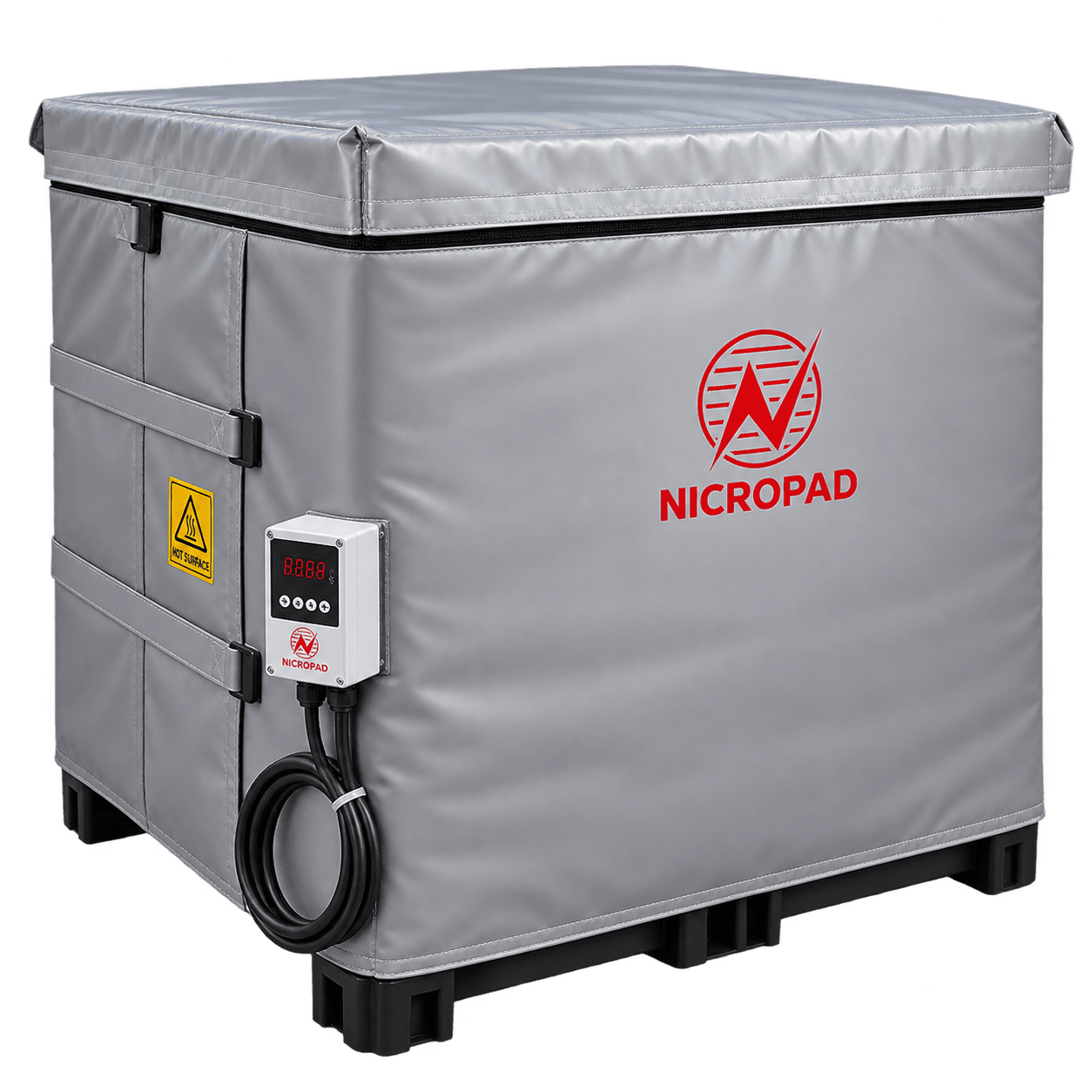
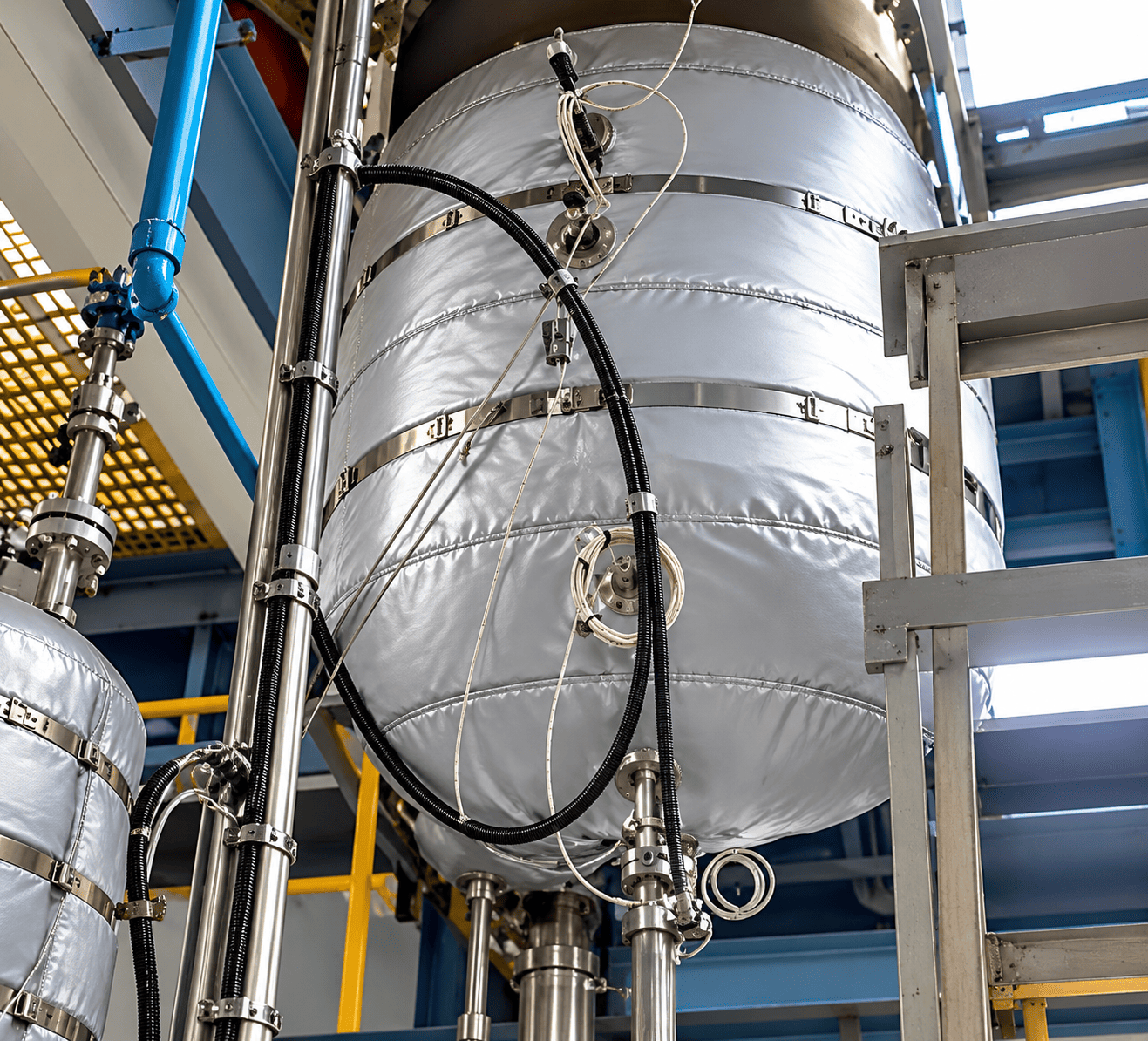
Nicropad Flexible Heating Jackets and Pads are engineered to efficiently raise and maintain the temperature of materials contained in reaction vessels, storage tanks, tankers, hoppers, and a wide range of industrial process equipment.
Designed for uniform and reliable external heating, these flexible electric heaters are custom-manufactured to match the size, shape, and configuration of the equipment being heated. Their flexibility ensures close contact with the equipment surface, resulting in efficient heat transfer and consistent temperature distribution.
Nicropad Heating Jackets are widely used across various industries, including:
- Chemical & Pharmaceutical Industries: Heating and maintaining the temperature of viscous fluids, chemicals, and process materials.
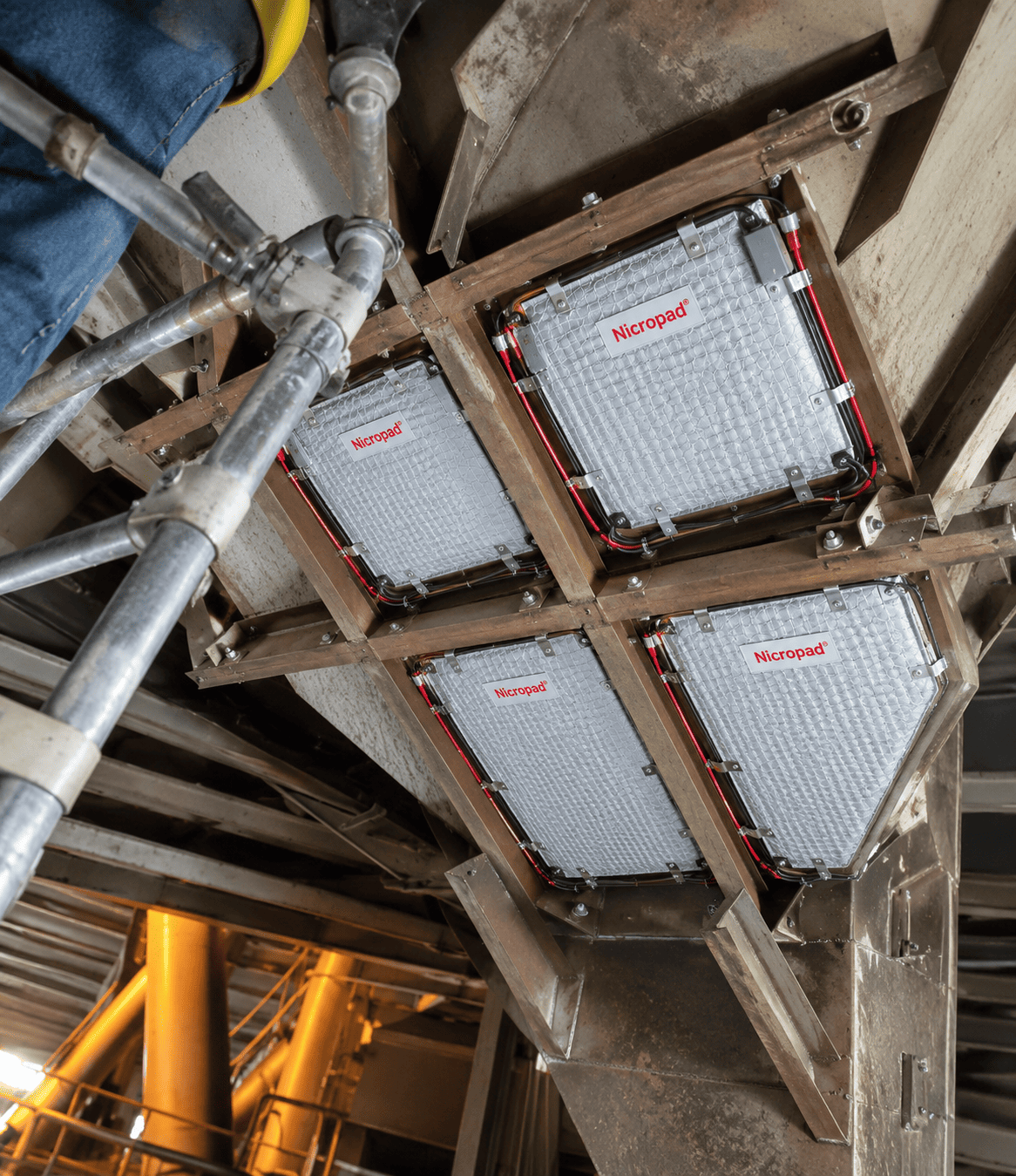
- Cement Industry: Hopper heating and moisture control in process and flue-gas applications.
- Packaging Industry: Maintaining gums, adhesives, and similar materials at suitable temperatures for smooth and consistent flow.
- Metallurgical Industry: Providing controlled heating for annealing and other thermal processing applications.
- General Process Industries: Temperature maintenance of tanks, vessels, pipelines, hoppers, and other process equipment.
By providing heat directly from the external surface of the equipment, Nicropad Flexible Heating Jackets offer a practical and energy-efficient alternative to conventional heating systems. They can help reduce the capital investment, installation complexity, and operating costs associated with steam, thermal oil, firewood, and conventional electric heating systems.
Construction
Nicropad Heating Jackets are manufactured using flexible resistance heating elements made from high-quality nichrome wire. Depending on the operating temperature and application requirements, the heating elements are insulated with materials such as fibreglass, quartz, PTFE (Teflon), or extruded silicone.
The heating elements are uniformly distributed over a fibreglass or quartz cloth carrier to provide consistent heat distribution across the heated surface. The carrier is precisely tailored to conform to the shape and dimensions of the vessel or equipment.
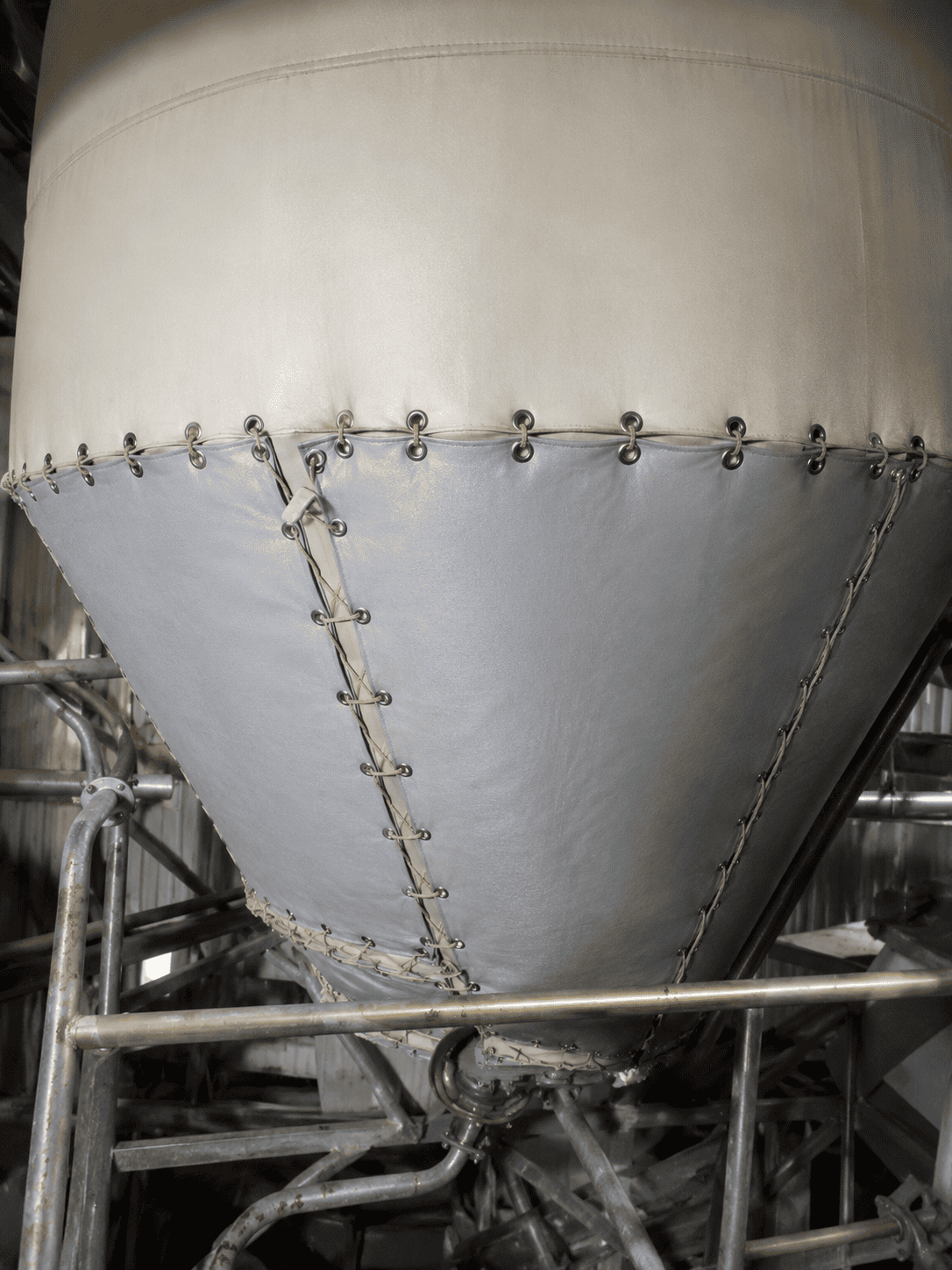
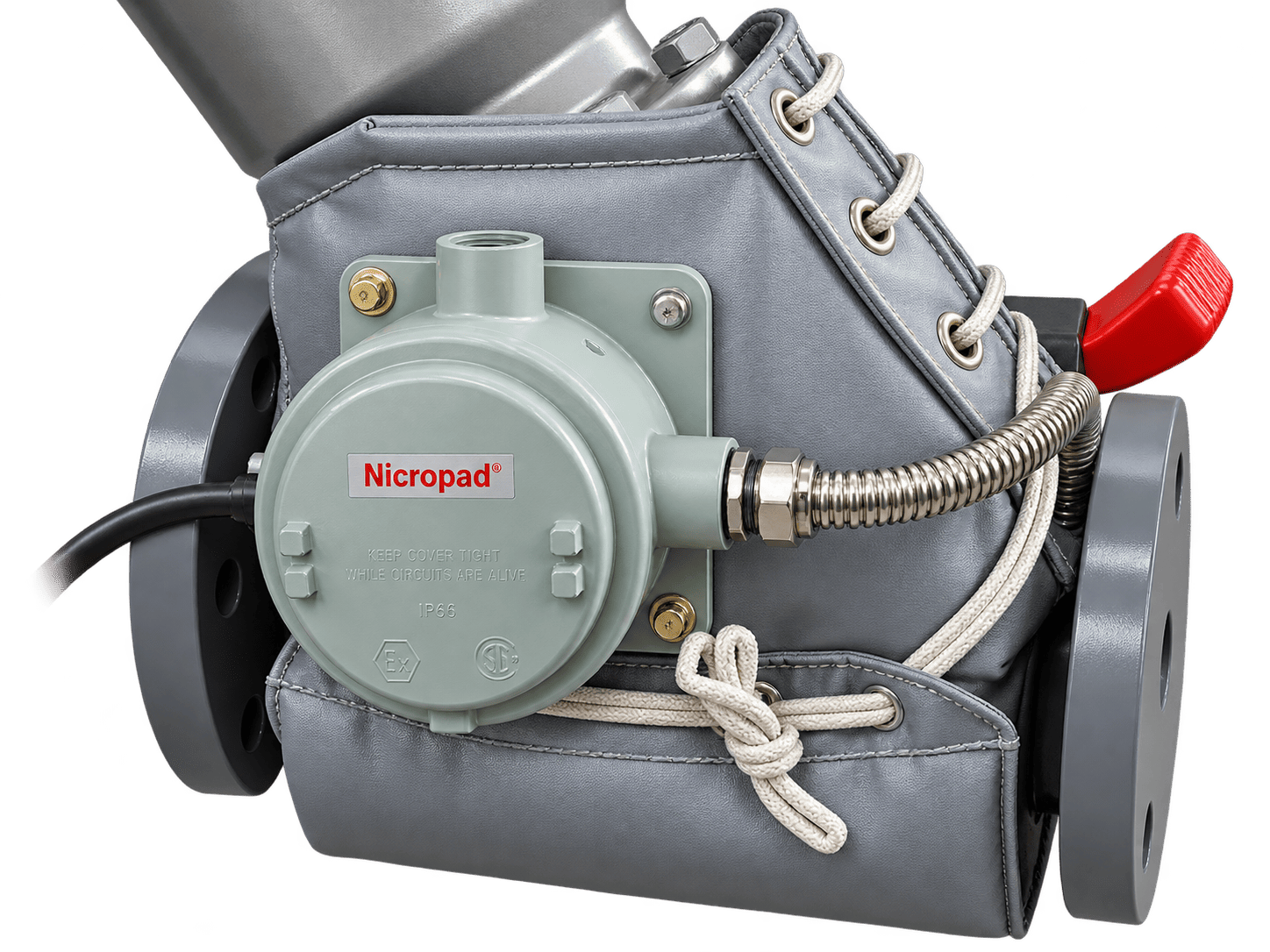
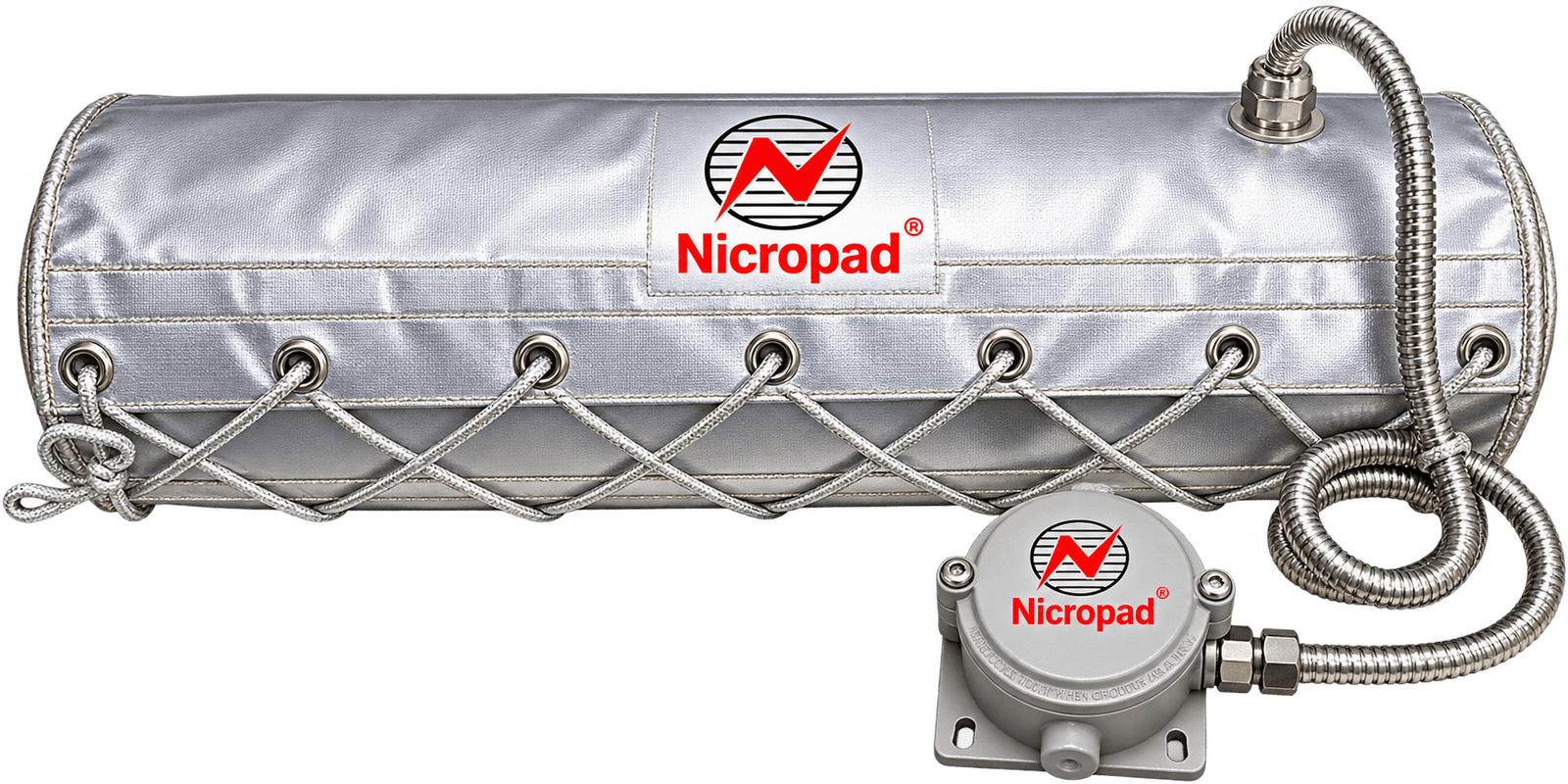
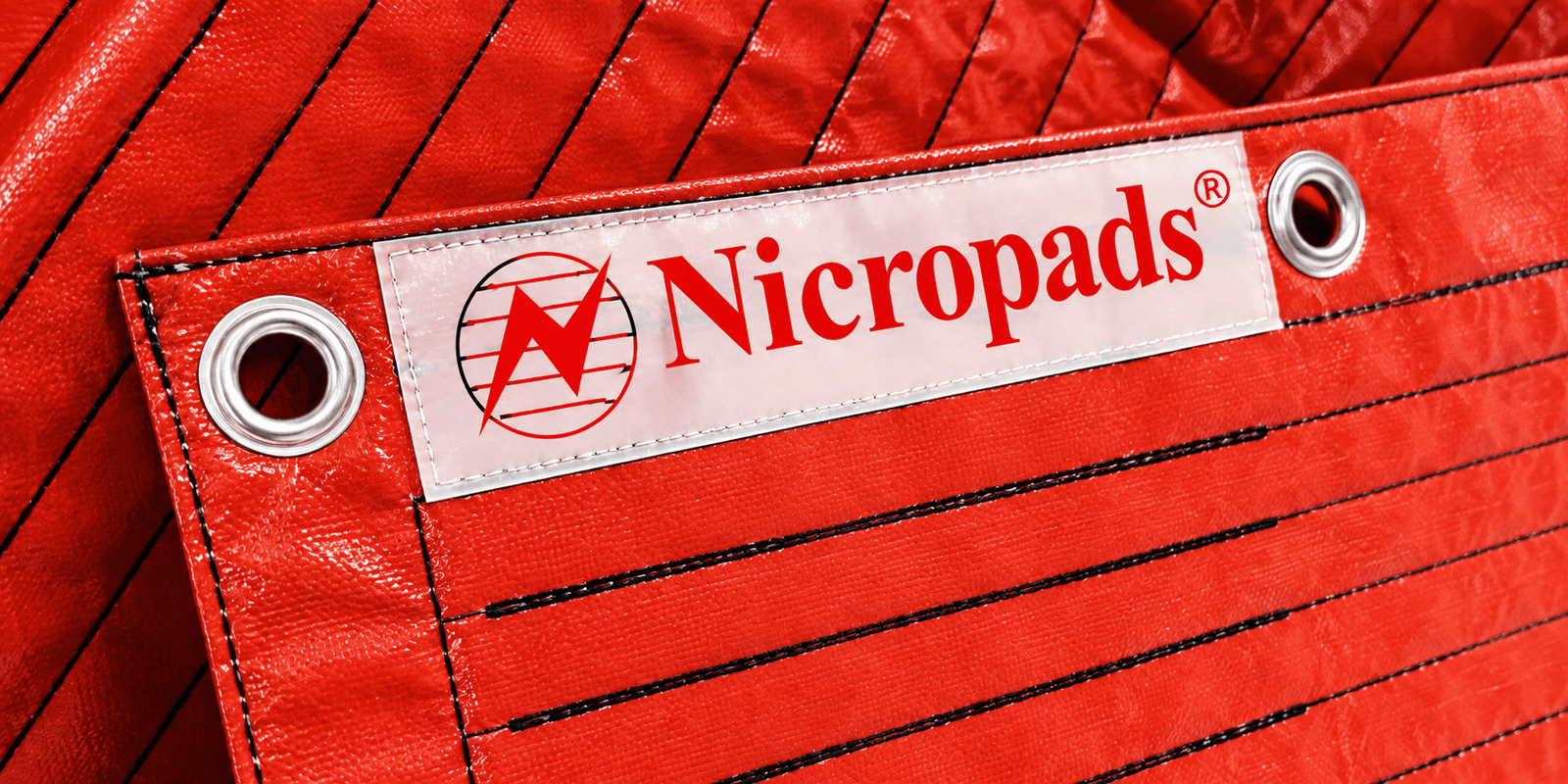
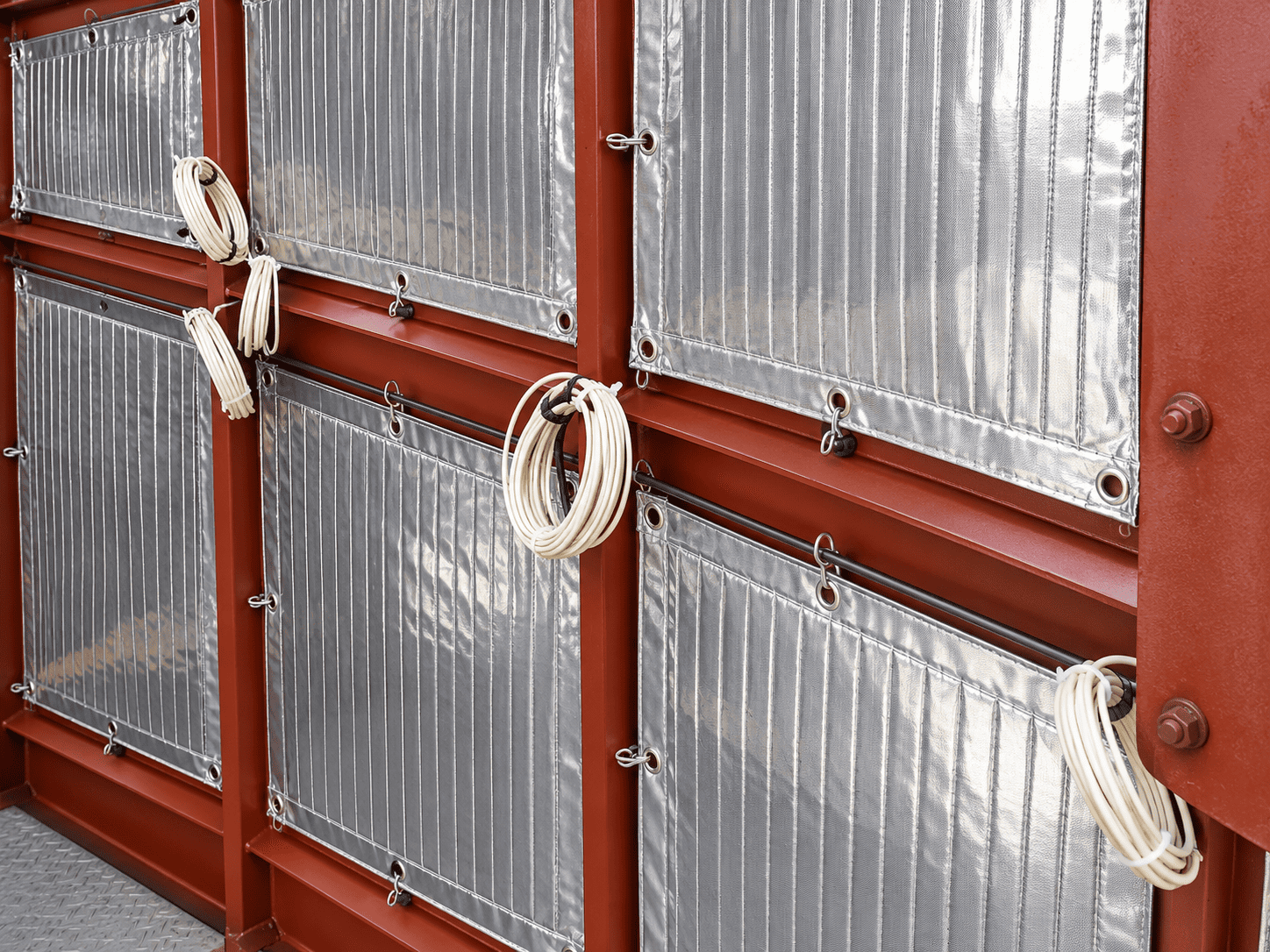
For secure installation, the heating panels are provided with eyelets and laces, enabling the jacket to fit snugly against the equipment surface. Close surface contact minimizes air gaps and promotes efficient heat transfer.
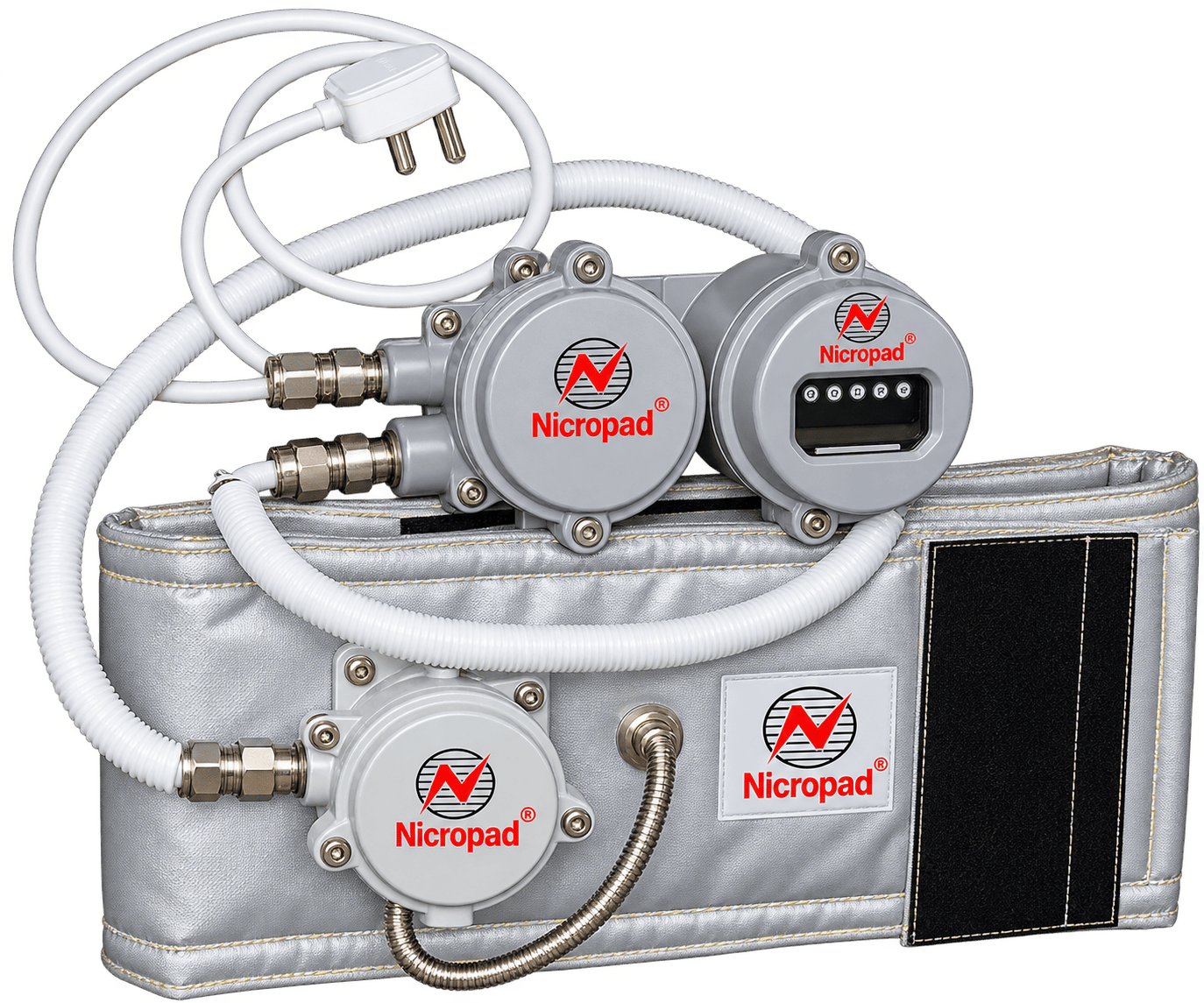
The heating elements terminate in cold leads, which are connected to the electrical power supply and suitable temperature-control system.
To minimize heat loss and improve energy efficiency, the outer side of the heating jacket is provided with an appropriate layer of thermal insulation. The assembly is then protected with PTFE-coated fibreglass or silicone-coated fibreglass fabric, providing enhanced durability, moisture resistance, and suitability for demanding industrial and outdoor applications.
Key Advantages
- Custom-designed to suit equipment size and geometry
- Flexible construction for close surface contact
- Uniform heat distribution
- Efficient external heating and temperature maintenance
- Reduced heat loss through integrated thermal insulation
- Easy installation and removal
- Suitable for a wide range of industrial applications
- Moisture-resistant outer construction for outdoor applications
- Cost-effective alternative to conventional steam, oil, and other heating systems
| Key Features | Benefits |
| Uniform Heating | Closely spaced and uniformly distributed insulated heating elements provide consistent heat distribution across the entire heated surface, minimizing hot and cold spots. |
| High Energy Efficiency | Heat is applied directly to the equipment surface where heat loss occurs, ensuring efficient heat transfer while minimizing energy losses. |
| Easy Maintenance | The external heating configuration provides convenient access for inspection, servicing, and replacement, helping reduce maintenance time and unnecessary process shutdowns. |
| Precise Temperature Control | Compatible thermostatic and temperature-control systems enable accurate temperature regulation with minimal thermal lag, ensuring stable and consistent process conditions. |
| Excellent Adaptability | The highly flexible carrier construction allows the heating jacket to conform closely to complex geometries, curves, bends, and irregular surfaces, making it suitable for equipment of virtually any shape or size. |
| Long Service Life | Close contact between the heating jacket and equipment surface promotes efficient heat transfer and helps maintain lower heating-element temperatures, contributing to extended heater life. |
| Custom-Engineered Design | Nicropad Heating Jackets can be custom-designed to meet specific application requirements, including tailored dimensions, shapes, cut-outs, openings, and fastening arrangements to accommodate equipment fittings and obstructions. |
| Wide Temperature Range | Designed for applications ranging from ambient temperature up to 750°C, subject to the selected construction materials, insulation system, and application requirements. |
Please click on images to enlarge
Our Product Gallery